Reading the Room: How Subtitles Went From Niche to Normal for American Viewers

There was a time — not that long ago — when recommending a subtitled show to a casual American viewer was a bit of a gamble. You'd get the look. The polite hesitation. The "I don't really want to read while I'm watching" brush-off. Fast forward to today, and that same viewer has probably already binged Squid Game, worked through half of Dark, and is actively recommending Money Heist to their coworkers. Subtitles didn't just sneak in — they moved in and rearranged the furniture.
So how did we get here, and does this actually mean something?
The Numbers Don't Lie (Even If They're Surprising)
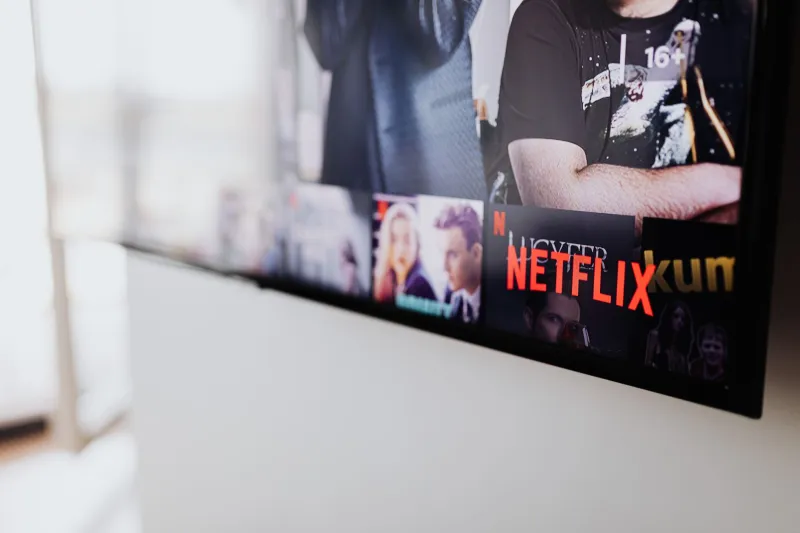
Netflix reported that Squid Game became its most-watched series ever in 2021 — and it's entirely in Korean. Lupin, a French thriller, cracked the platform's global top ten within days of its debut. These aren't flukes. They're data points in a pattern that streaming platforms have been quietly tracking for years.
According to a 2023 survey by Preply, nearly 50% of Americans reported using subtitles "most of the time" when watching TV — and that number jumped significantly among viewers under 35. The reasons varied: some cited audio mixing issues in modern productions (a whole separate conversation), others mentioned watching in noisy environments, and a growing chunk simply said they'd gotten used to it through foreign-language content.
That last group is the interesting one.
Algorithms Did the Heavy Lifting
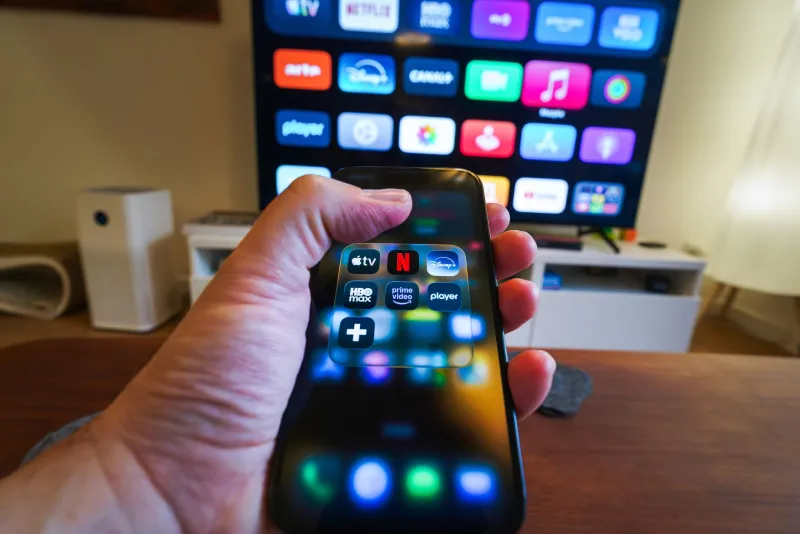
Here's the thing nobody really wants to credit: streaming recommendation engines deserve a lot of the blame — or the praise, depending on your perspective — for this shift. When Netflix's algorithm started surfacing Korean dramas, Spanish thrillers, and French crime series to English-speaking audiences based on genre preferences rather than language, it essentially forced a soft introduction. Viewers who never would have sought out a subtitled show on their own suddenly found themselves three episodes deep into Kingdom because the algorithm said "you liked Stranger Things, try this."
"The algorithm doesn't care what language a show is in," says Dr. Mira Vasquez, a media studies lecturer who has researched cross-cultural content consumption. "It cares about engagement. And when international content started performing, it got pushed harder. Millions of people encountered subtitles almost accidentally."
That accidental exposure turned into habit. And habit, over time, turned into preference.
Generational Fault Lines Are Shifting
Conventional wisdom used to hold that older viewers resisted subtitles and younger ones were indifferent. The reality in 2024 is more layered. Gen Z, raised on YouTube, TikTok, and auto-captioned everything, treats text on screen as completely unremarkable. For them, subtitles aren't a barrier — they're just part of how content works.
Millennials, who came of age watching anime with subtitles as a badge of cultural credibility, largely carried that comfort into adulthood. And even some Gen X viewers — the group most historically resistant — have been pulled in by prestige international content that gets critical buzz they can't ignore.
The genuine holdout demographic skews older and more rural, but even there, the numbers are moving. Accessibility advocates point out that subtitle adoption among seniors increased significantly during the pandemic, when people were watching more TV and dealing with hearing challenges that made captions genuinely useful.
"Subtitles were always an accessibility tool first," notes caption advocate and consultant Jordan Ellery. "What's happened is that the mainstream finally caught up to what the deaf and hard-of-hearing community has known forever — text on screen enhances the experience. It doesn't diminish it."
What This Means for Dubbing
Dubbing isn't dead. Let's be clear about that. Netflix, Disney+, and Amazon all continue to invest heavily in high-quality dubbing for international content, and a significant portion of their audience uses it. For certain formats — particularly animation and children's programming — dubbing remains the dominant choice.
But the cultural cachet of dubbing has quietly eroded. Among engaged, enthusiastic viewers of international content, watching the dub is increasingly seen as the lesser option. Online fan communities for shows like Attack on Titan or Severance-adjacent K-dramas treat the original audio as the "authentic" version, with subtitles as the only proper way to access it.
Dubbing studios are responding by raising their own game — investing in better voice casting, more naturalistic scripts, and even celebrity voice talent to bring prestige to the format. But they're fighting a perception battle as much as a quality one.
Is This Permanent?
The honest answer is: probably yes, at least partially. Cultural habits around media consumption don't tend to reverse once they've normalized. A generation of viewers who grew up reading captions as a default isn't going to unlearn that comfort. And as international content continues to perform — driven by both algorithm placement and genuine quality — the pipeline of subtitled shows entering American homes isn't shrinking.
What's less certain is whether this translates into Americans actively seeking out foreign-language content rather than just accepting it when it arrives. There's a difference between tolerance and enthusiasm. Right now, streaming platforms have manufactured a lot of tolerance. Turning that into genuine curiosity about world cinema and television is a different project entirely.
But for now? Reading your TV is no longer weird. It's just watching.