Ghosted by a Streaming Service: What Happens to You When Your Show Gets Canceled Mid-Story
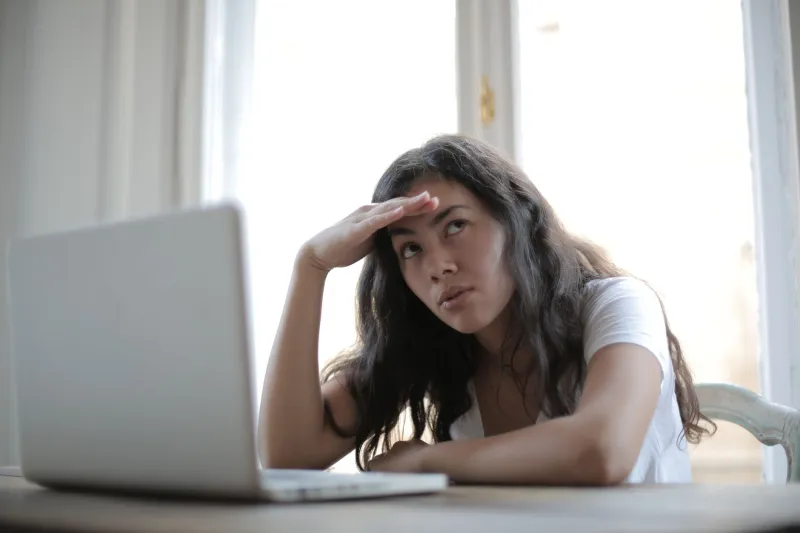
Somewhere right now, there is a person who spent six weeks caring deeply about a fictional relationship that will never be resolved. They watched the season finale — which was not written as a series finale — and then waited. And then waited more. And then saw the tweet. Canceled. No wrap-up episode. No movie. No explanation beyond the standard language about "difficult decisions" and "an incredibly talented cast and crew."
This is the modern streaming cancellation. And it hits differently than it used to.
The Old Deal vs. The New Deal
Traditional network TV had a cancellation culture too, obviously. Shows got axed mid-story all the time. But there was a certain brutal transparency to it. You watched on a schedule. You knew the ratings mattered. When a show got low numbers, you felt the precarity in real time — the fan campaigns, the letter-writing drives, the last-ditch renewals. The cancellation, when it came, was painful but legible.
Streaming broke that feedback loop entirely.
On Netflix, Hulu, or Max, you have no idea how many other people are watching your show. The platform doesn't tell you. Viewership data is proprietary, selectively released, and often meaningless without context. A show can feel massive — trending on Twitter, dominating your Discord server, spawning a thousand TikTok edits — and still get canceled because the internal metrics that actually drive renewal decisions are invisible to you.
"The parasocial relationship with streaming shows is more intense precisely because the viewing experience is more intimate," says Dr. Mara Ellis, a media psychologist who studies audience attachment to serialized fiction. "You binge it alone, at your own pace, often late at night. You don't share it with a broadcast audience in real time. The attachment is personal in a way that network TV rarely was."
And then the platform pulls the plug. Personally.
The Unresolved Narrative as a Specific Kind of Grief
Psychologists who study narrative have a term for what happens when a story ends before it's supposed to: narrative incompleteness. It's the same cognitive itch you feel when a book ends on an unresolved cliffhanger, multiplied by the fact that you've spent hours developing genuine emotional investment in characters you've come to feel you know.
Shows like The OA, I Am Not Okay with This, Minx, and 1899 all ended without resolution — not because the creators chose ambiguity, but because the platforms chose cancellation. In each case, showrunners had mapped out subsequent seasons. Characters were mid-arc. Mysteries were unresolved by design, with answers intended for future episodes that will now never exist.
For fans, this isn't just disappointing. Research on narrative engagement suggests that unresolved stories can produce genuine psychological discomfort — a low-grade, persistent sense of incompleteness that some viewers describe in terms that sound a lot like being broken up with.
"I know it sounds dramatic," says one 1899 fan on Reddit who has been active in the show's community since its cancellation in early 2023. "But I had genuinely structured my watching habits around that show. I had theories. I had people I talked to about it every week. And then it was just... over. With no ending. It felt like someone took a book and ripped out the last hundred pages."
The Discord Economy of Orphaned Shows
What's emerged in the wake of streaming cancellations is a fascinating, slightly heartbreaking underground of fan-driven closure. Discord servers that once functioned as episode discussion communities have pivoted into something more like collaborative grief counseling — and creative workshops.
The OA fandom, years after Netflix canceled the show mid-mythology, maintains one of the most active fan fiction communities on Archive of Our Own. Writers have produced hundreds of thousands of words of continuation content, including full "Season 3" scripts written in proper screenplay format. The community has developed its own internal canon for how the story ends, debated and revised over years of collective storytelling.
Similar communities exist for Sense8, Minx, Warrior Nun, and dozens of other canceled streaming shows. They are doing, for free and out of pure attachment, the narrative work that the platforms commissioned and then abandoned.
"Fan communities have always done this," notes media scholar Dr. James Okafor of Northwestern University. "But there's a qualitative difference now. These aren't fans extending a completed story. They're fans finishing an incomplete one. That's a different emotional and creative task."
The Platform Math Nobody Shows You
Here's the uncomfortable economic reality: streaming platforms benefit from your attachment even after they've canceled the show that created it.
When Netflix cancels a show, it doesn't disappear from the platform (usually). It sits there, accruing new viewers, generating subscriber retention, and serving as a discovery point for the platform's other content. The canceled show keeps working for Netflix. Netflix just stops working for the show.
Meanwhile, the fan communities that form around canceled shows generate enormous amounts of organic content — TikToks, Reddit threads, YouTube video essays — that function as free marketing for the platform's catalog. Netflix doesn't pay for that. The fans produce it out of grief.
Some creators have started pushing back. The showrunner of 1899, Jantje Friese, was publicly open about the cancellation's abruptness and the show's unresolved state. Others have used social media to at least give fans a sense of where the story was going — an informal, unauthorized form of closure that the platforms certainly don't provide.
Is There a Better Way?
A few things could make this better, and none of them require a dramatic restructuring of the streaming economy.
Platforms could greenlight limited series with defined endpoints rather than open-ended seasons designed to hook viewers indefinitely. They could provide more transparent renewal timelines so fans aren't investing in shows that are already effectively canceled. They could, at minimum, fund brief wrap-up content — a single episode, a short film, a scripted podcast — that gives narratives some form of resolution before the plug is pulled.
Some platforms have started doing this. Amazon gave The Tick a proper finale. Netflix occasionally commissions wrap-up specials for high-profile cancellations.
But the default is still the cold cutoff. The tweet. The silence.
And somewhere right now, someone is refreshing a cancellation news site, hoping the show they love just got a last-minute save. Hoping the story isn't really over.
It probably is. The algorithm already moved on.